
Responsible Gambling: Enjoying the Thrill Without Risk
Understanding Responsible Gambling
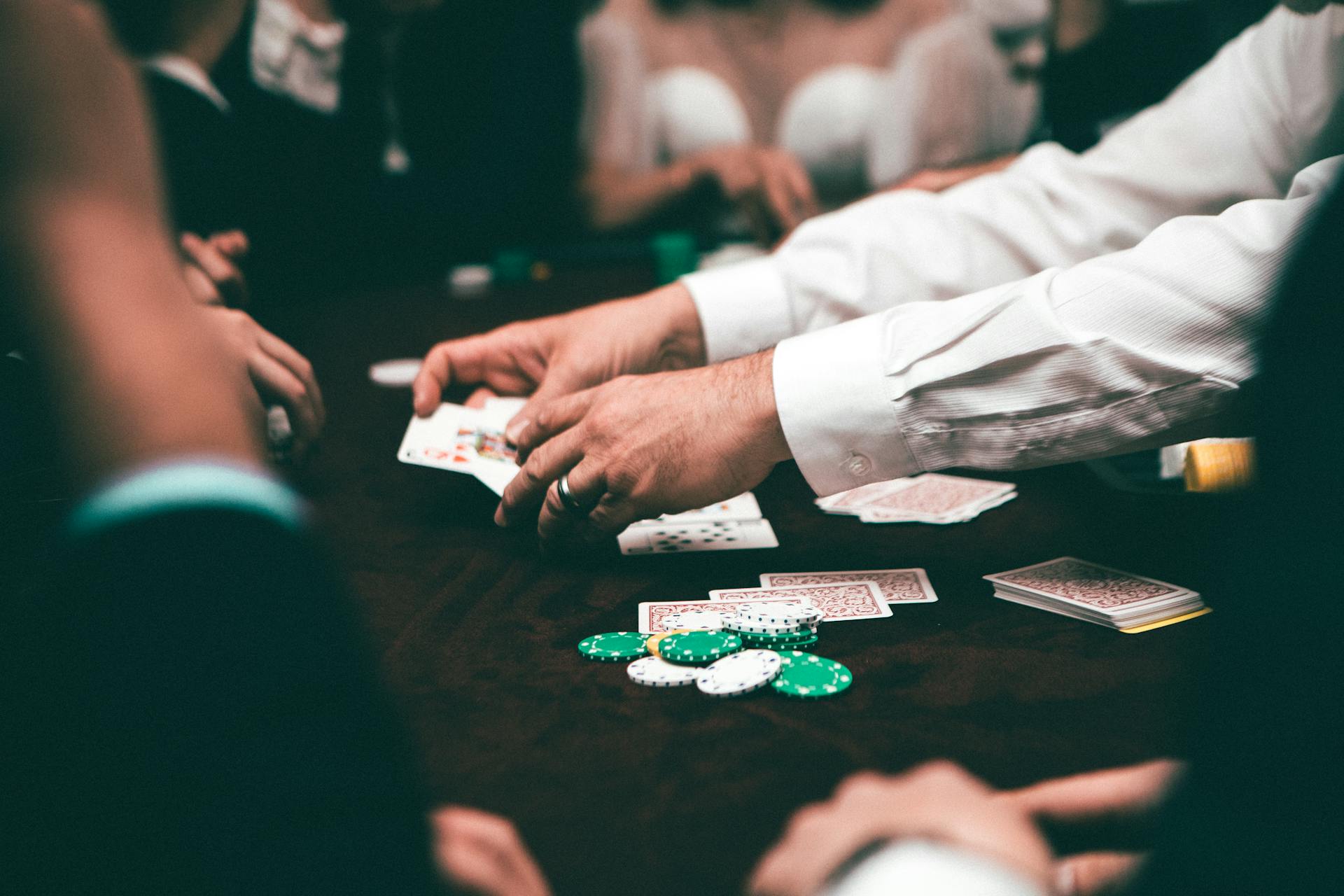
Responsible gambling implies having fun playing games as a form of entertainment with reduced risks of harm. It is aware of the fact that gambling is always about chance and losing and therefore the main aim is to ensure that it is fun and controlled instead of a means of earning money. Being responsible implies establishing a clear boundary and knowing when to quit before problems start running out of hand. This will assist in creating a good balance between the excitement and individual well being.
Set Time and Money Limits
Among the most essential activities in responsible gambling, there is the establishment of restrictions on the amount of time and money that you will spend before you start playing. Determine the exact amount of money you can comfortably afford to lose and do not overdo it. Equally, budget your gambling sessions, by setting up certain allotted time and adhering to it. Pre-set budgets, pre-set timers will make sure that people do not act on impulse and end up losing a lot of money, that way, gambling is always a pleasure and not a stressor.
Never Gamble With Money You Can’t Afford to Lose
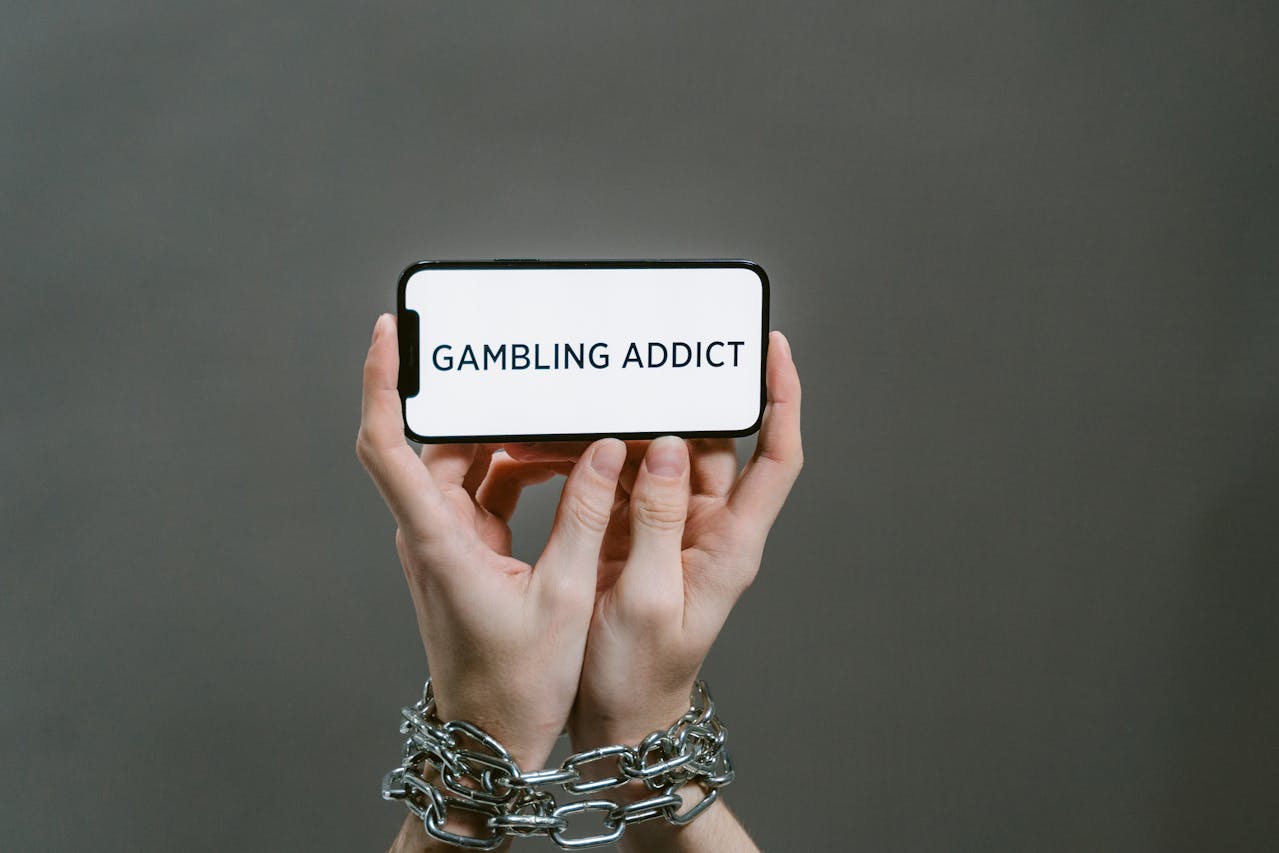
Never use borrowed money to gamble and use expendable income that is used in entertainment. Money that is meant to be utilized on basic needs such as rent, bills or food should in no way be used to gamble. Such attitude eliminates the problem of poverty and the process of gambling losses, which can be hazardous in a short period of time. Look at gambling as a cost, and not an investment or a remedy to financial difficulties.
Avoid Gambling When Emotional or Impaired
When upset, anxious, or intoxicated, it is not possible to make sound judgements and lose money in a reckless bet. The emotional distress or drunkenness reduces the self control and could drive you into pursuing losses or making unwise choices later. Being mentally fit and at ease prior to playing is a way of ensuring that you are in better control of your behavior.
Use Gambling Tools and Support Resources
There are numerous online platforms and casinos that are offering tools that help players to manage their gambling safely. Deposit limits, time reminders, session breaks and self-exclusion features allow the player to remain within their limits. Also, access can be minimized during risky times by using free gambling blockers and smart budgeting applications. When you observe any indicators of loss of control like spending money in uncontrollable gambling or neglecting duties, it is important to seek professional assistance before it gets out of control.
Recognize Signs of Problem Gambling
Responsible gambling is also to be cognizant of the tell-tales of the problem that gambling is becoming a problem. These are secretiveness of gambling, betting more to recouperate gambling losses, neglecting relationships or employment and anxiety about gambling. Being aware will enable early intervention and access to help services to overcome possible gambling problems.
Balance Gambling With Other Activities

The first thing to being able to enjoy gambling is maintaining a balanced lifestyle. Make sure that gambling does not substitute social activities, hobbies or physical activities. By spreading recreational interests, you keep the gambling in perspective and it will not take over your time and thoughts. Frequent pauses in the playing process also contribute to control and limit impulsive gambling.
Conclusion
Responsible gambling is focused on mindful self-control, clarity of limitations and awareness. The ability to take gambling as entertainment and comprehend the dangers will help the players indulge in the rush without endangering their health. Playing with the help of existing tools, encouraging people not to gamble in an emotional way, and requesting assistance when necessary is another step towards a safe and enjoyable gambling experience. Making gambling enjoyable and manageable not only keeps the people safe, it also creates a healthier gambling culture in general.