
Blackjack Side Bets Explained
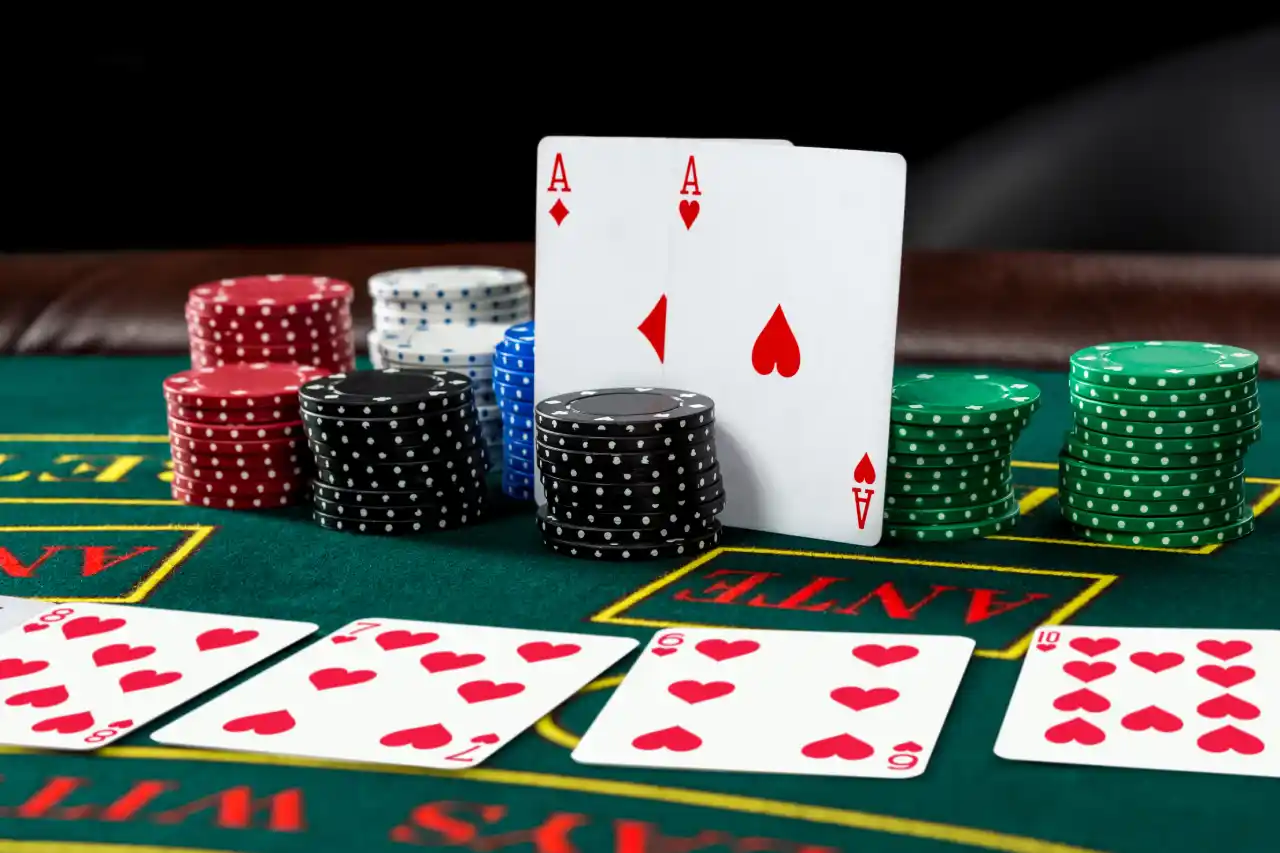
When you play blackjack, you might notice extra betting options beyond the main game. These are called side bets, and they let you wager on specific card combinations or outcomes that happen during the hand. Side bets are optional wagers placed alongside your regular blackjack bet that pay out based on your cards, the dealer’s cards, or a combination of both.
Side bets can make the game more exciting with bigger payouts. However, they usually come with a higher house edge than the main game. This means the casino has a bigger advantage when you place these bets.
Understanding how side bets work helps you decide if they fit your playing style. You’ll learn what the most common side bets are, how much they pay, and what risks they carry. This knowledge lets you make better choices at the blackjack table.
Understanding Blackjack Side Bets
Side bets in blackjack are optional wagers that run parallel to your main bet, offering different odds and payouts based on specific card combinations. These bets carry higher house edges than standard blackjack but provide chances for bigger wins on single hands.
What Are Blackjack Side Bets
Side bets are additional wagers you can place before cards are dealt. They operate independently from your main blackjack hand.
These bets focus on specific outcomes like card pairs, suited combinations, or poker-style hands. You can lose your side bet while winning your main hand, or win both at the same time.
Common side bets include Perfect Pairs, 21+3, and Insurance. Perfect Pairs pays when your first two cards match. The 21+3 bet combines your two cards with the dealer’s upcard to form poker hands like flushes or straights.
Side bets are completely optional. You never have to make them to play regular blackjack. The dealer will ask for side bets before dealing cards each round.
House Edge and Payouts
The house edge on side bets ranges from about 2% to over 25%. This is much higher than the standard blackjack house edge of around 0.5% with basic strategy.
Different side bets offer different payout structures. Perfect Pairs typically pays 6:1 for a mixed pair, 12:1 for a colored pair, and 25:1 for a perfect pair. The 21+3 bet usually pays 9:1 for a flush and can go up to 100:1 for a suited three of a kind.
Higher payouts come with lower probability. A perfect pair happens roughly once in every 60 hands. Rare combinations like suited trips occur less than once per thousand hands.
Common Side Bet Payouts:
- Mixed Pair: 5:1 to 6:1
- Flush: 5:1 to 9:1
- Straight: 9:1 to 10:1
- Three of a Kind: 30:1 to 40:1
- Suited Three of a Kind: 100:1
Risks and Rewards
Side bets drain your bankroll faster than main bets. The high house edge means you lose more money over time compared to regular blackjack play.
You can win large amounts from small wagers. A $5 side bet might pay $500 on a rare combination. This happens infrequently, but the potential exists on every hand.
Your total loss per round increases when you add side bets. If you bet $10 on your main hand and $5 on a side bet, you risk $15 instead of $10. Losing streaks hit harder with side bets active.
Card counting rarely helps with side bets. Most side bet outcomes depend on too many variables to track effectively. Some professional players avoid side bets entirely because the math doesn’t favor long-term profit.
How Side Bets Affect Gameplay
Side bets don’t change basic blackjack strategy. You still hit, stand, double, and split based on the same rules. Your main hand plays out normally regardless of side bet results.
The game pace stays roughly the same. Dealers resolve side bets quickly after dealing initial cards. You’ll know your side bet outcome before you make decisions on your main hand.
Side bets add variety to standard play. They create additional winning opportunities beyond beating the dealer. Some players use them for entertainment rather than serious profit attempts.
Your session bankroll needs adjustment with side bets. Budget extra money if you plan to make these wagers regularly. A $100 bankroll for main bets might need to be $150 if you’re betting $5 per side bet each hand.

Popular Types of Blackjack Side Bets
Insurance protects against dealer blackjack, Perfect Pairs pays when your cards match, 21+3 combines poker hands with blackjack, and Royal Match rewards suited cards.
Insurance Bet
Insurance is the most common side bet at blackjack tables. You can place this bet when the dealer shows an Ace as their face-up card.
The insurance bet costs half of your original wager. If the dealer has blackjack, you win 2 to 1 on the insurance bet. This means you break even on the hand if your main bet loses.
Most players should avoid insurance bets. The house edge sits around 7% to 8% depending on the number of decks used.
Insurance only makes sense if you count cards and know the deck is rich in ten-value cards. For regular players, it’s simply not worth the money in the long run.
Perfect Pairs
Perfect Pairs pays you when your first two cards form a pair. This side bet offers three different types of pairs with different payouts.
A Perfect Pair means both cards match in rank and suit. This typically pays 25 to 1 or 30 to 1.
A Colored Pair matches in rank and color but different suits (like two red Kings). This usually pays 12 to 1 or 10 to 1.
A Mixed Pair matches only in rank with different colors (like King of hearts and King of clubs). This pays 6 to 1 or 5 to 1.
The house edge for Perfect Pairs ranges from 2% to 11% depending on the number of decks and payout structure. Single-deck games offer the worst odds for this bet.
21+3 Side Bet
The 21+3 bet combines your first two cards with the dealer’s up card to form a three-card poker hand. You win if these three cards create specific poker combinations.
Suited Three of a Kind (three identical cards) pays the highest at 100 to 1. Straight Flush (three consecutive suited cards) typically pays 40 to 1. Three of a Kind (same rank, different suits) pays 30 to 1.
A Straight (three consecutive cards) pays 10 to 1. A Flush (three suited cards) pays 5 to 1.
The house edge varies between 2% and 4% based on the number of decks and exact pay table. This makes it one of the better side bets available. Some casinos offer different payout structures, so check the table rules before playing.
Royal Match
Royal Match pays when your first two cards are suited. The bet offers two levels of winning combinations with different payouts.
A Royal Match occurs when you get a suited King and Queen. This combination pays 25 to 1 in most casinos. Any other suited pair of cards creates a regular match and pays 5 to 2 or 3 to 1.
The house edge sits around 6% to 7% for this side bet. Single-deck games have a lower house edge than multi-deck games.
Royal Match is straightforward and easy to understand. The payouts happen quickly since you only need to look at your initial two cards.